

High-Quality Drone in Agriculture Spraying from Top Manufacturers
In my experience with drone technology, I have seen firsthand how the integration of high-quality drones in agriculture spraying can revolutionize crop management. These advanced tools not only enhance precision but also optimize resource usage, leading to healthier crops and increased yields. When partnering with top manufacturers, you can be assured of durability and cutting-edge technology that meets the demanding needs of agricultural professionals. Whether you’re a large-scale farm owner or a smaller operation, investing in drones for spraying can save time and lower costs, all while ensuring efficient pest and nutrient management. I’ve noticed that farmers who have adopted this technology are often more satisfied with their harvests and reduce chemical wastage significantly. High-quality drones are not just a trend; they’re becoming a necessity for modern agriculture. Let's explore how these innovative solutions can fit into your business, elevating your farming practices to the next level.
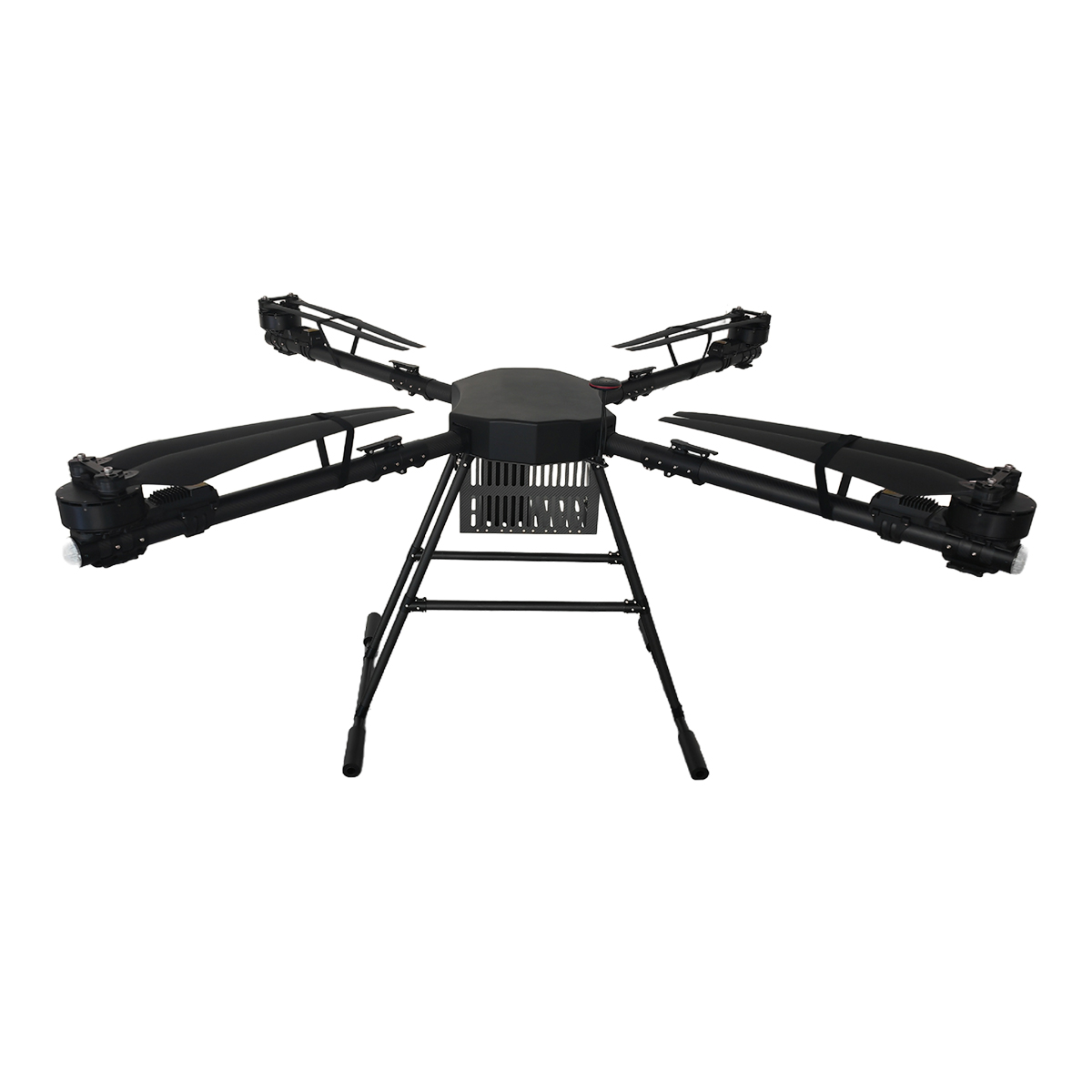
Drone In Agriculture Spraying For the Current Year Service Backed by Expertise
As the agricultural industry continues to embrace innovative technologies, the use of drones for precision spraying has emerged as a game-changer in crop management. This year, advancements in drone technology and services are enhancing efficiency and effectiveness for farmers across the globe. Drones equipped with advanced sensors and precision spraying capabilities allow for targeted application of fertilizers and pesticides, reducing waste and minimizing environmental impact. These tools enable farmers to optimize their resources, ensuring healthier crops and more sustainable farming practices. With the growing demand for high-yield agriculture amidst increasing global food consumption, integrating aerial spraying solutions is essential. Drones provide the flexibility to cover extensive areas quickly and efficiently, significantly reducing labor costs and time compared to traditional methods. Additionally, real-time data collection enables farmers to monitor crop health, ensuring timely interventions are made. By leveraging aerial technology, agricultural stakeholders can achieve better yield outcomes and strengthen their competitive edge in the market. For global buyers interested in enhancing their agricultural operations, investing in drone spraying services offers a pathway to innovation. Backed by expert knowledge and advanced support, these services not only improve productivity but also align with sustainable practices crucial for the future of agriculture. Embracing this technology represents a progressive step towards meeting the challenges of modern farming, supporting both profitability and environmental stewardship.
Drone In Agriculture Spraying For the Current Year Service Backed by Expertise
| Service Type | Coverage Area (Acres) | Spraying Capacity (L/min) | Service Duration (Hours) | Expertise Level |
|---|---|---|---|---|
| Herbicide Application | 50 | 2 | 1.5 | Intermediate |
| Fertilizer Spraying | 75 | 3 | 2 | Expert |
| Pesticide Application | 40 | 1.5 | 1 | Advanced |
| Seed Coating | 30 | 1 | 0.5 | Beginner |
Related Products
Drone In Agriculture Spraying Leads the Global Market Factory-Direct Excellence
Top Selling Products
- Related Blog
- Reviews
