

High-Quality Drone Detection Radar Frequency from Leading Manufacturers
When searching for a reliable drone detection radar frequency, I prioritize high-quality solutions that meet my specific needs. Our state-of-the-art radar systems are designed for exceptional performance, enabling the real-time detection of UAVs in various environments. These products come from top manufacturers, ensuring robust reliability and advanced technology that keeps pace with the rapidly evolving drone market. I appreciate the clear benefits of having high-quality equipment that not only enhances security but also integrates seamlessly into existing infrastructures. With our radar, I can confidently monitor airspace and safeguard valuable assets. Finding the right supplier matters, and I can attest to the commitment to excellence provided by this company. Investing in a dependable drone detection system is a smart choice for any business wanting peace of mind. Whether for public safety or private applications, I know I'm making the right decision by choosing a proven, high-quality solution.
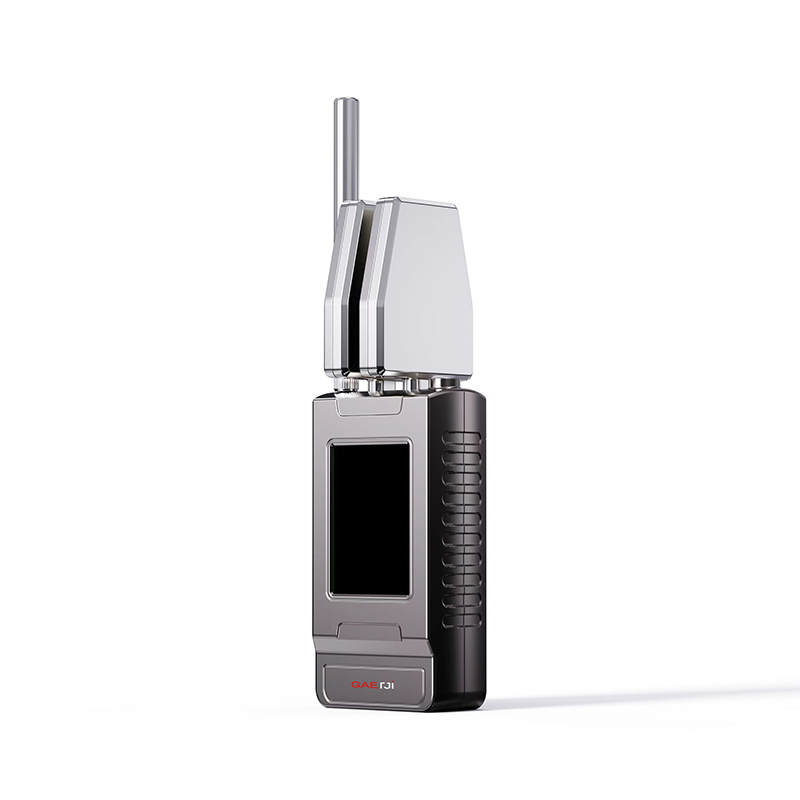
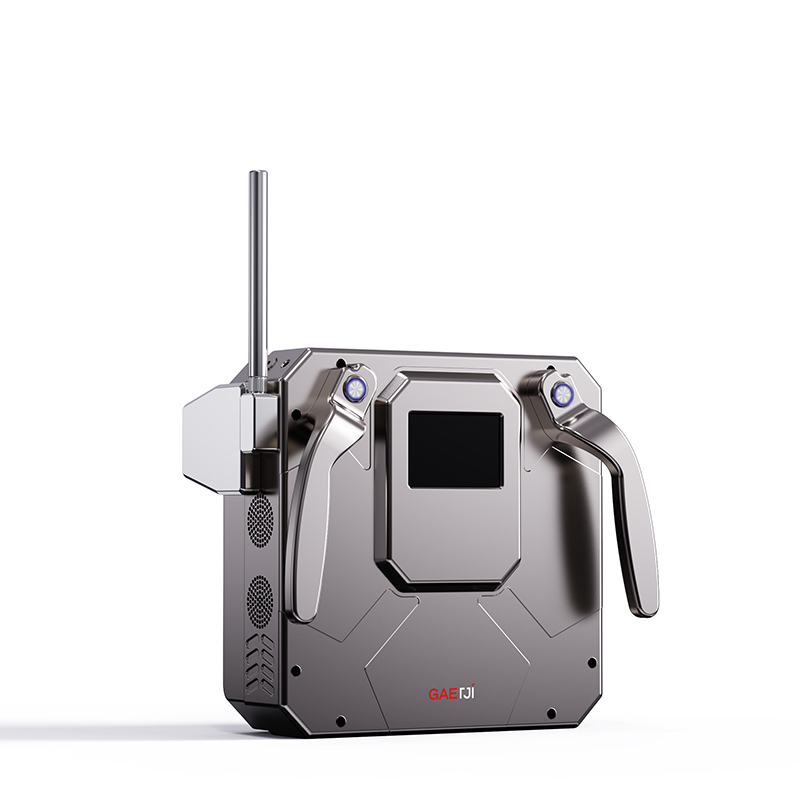
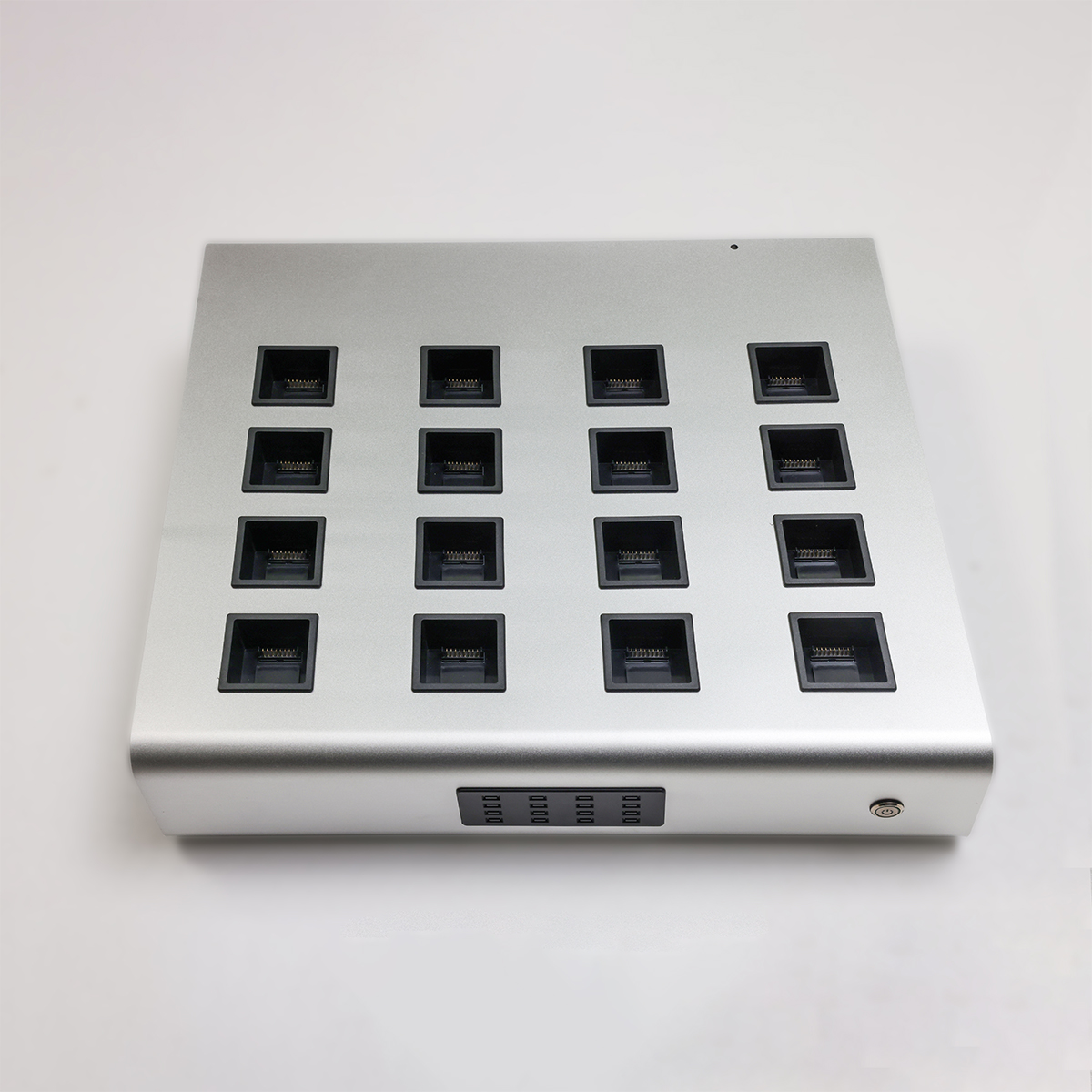
Drone Detection Radar Frequency For the Current Year Global Reach
As the demand for drone technology continues to grow, the importance of effective drone detection systems has never been clearer. In the current year, advancements in radar frequency technology have made it possible to enhance the accuracy and range of drone detection, addressing the rising concerns of unauthorized drone activity in both commercial and governmental sectors. The integration of sophisticated radar systems enables users to distinguish between different types of drones, assess their potential threats, and respond accordingly. For global buyers, investing in cutting-edge drone detection radar technology represents a crucial step in securing airspace, particularly in urban environments where drone traffic is expected to increase significantly. The latest radar systems utilize multiple frequencies to improve tracking capabilities, allowing for real-time monitoring and data analysis. This functionality is essential for industries ranging from logistics and transportation to security and surveillance, ensuring that businesses can operate efficiently while safeguarding their assets. As regulatory frameworks evolve and the prevalence of drone operations becomes more mainstream, procurement decisions will play a pivotal role in shaping safe and compliant airspace management solutions. Companies that prioritize sophisticated radar frequency technology will not only enhance their operational integrity but also position themselves at the forefront of the drone detection market. As we move forward, staying informed and investing wisely will be vital for any organization looking to harness the potential of drone technology while mitigating associated risks.
Drone Detection Radar Frequency For the Current Year Global Reach
| Region | Frequency Range (GHz) | Detection Range (km) | Applications | Current Trends |
|---|---|---|---|---|
| North America | 2.5 - 3.0 | 5 - 10 | Security, Law Enforcement | Increased regulation and integration with AI |
| Europe | 3.0 - 4.0 | 3 - 7 | Military, Border Control | Focus on EU regulations and privacy concerns |
| Asia Pacific | 1.5 - 2.5 | 8 - 12 | Commercial, Infrastructure | Rapid growth in commercial deployment |
| Middle East | 4.0 - 5.0 | 4 - 9 | Commercial, Security | Increased investment in security technologies |
| Latin America | 2.0 - 3.5 | 2 - 5 | Agriculture, Surveillance | Emerging technologies in agriculture monitoring |
Related Products
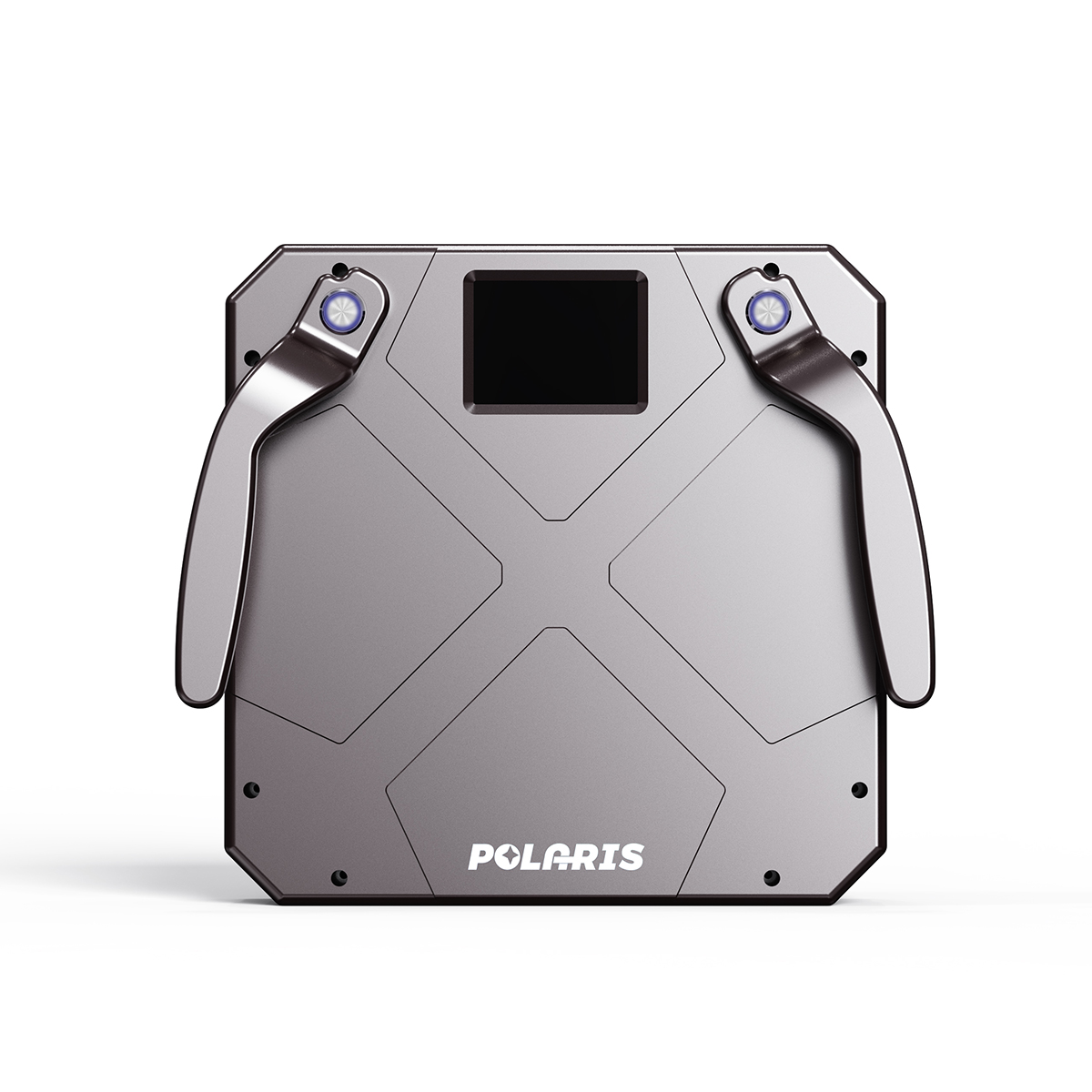
Drone Detection Radar Frequency Manufacturer Ahead of the Curve
Top Selling Products
- Related Blog
- Reviews
