


Drones Use in Agriculture for UPSC: Wholesale Manufacturers Guide
Harnessing the potential of drones in agriculture has revolutionized how we farm, and I'm excited to share how our wholesale offerings can elevate your agricultural business. As a manufacturer with deep expertise in drone technology, I understand the demand for precision in crop monitoring, pest control, and efficient resource management. Our drones provide high-resolution imagery and real-time data that helps in making informed decisions, ultimately boosting yield and reducing costs. Whether you’re a large-scale farmer or part of a cooperative, investing in these innovative tools can enhance your operations significantly. With a strong commitment to quality and customer satisfaction, we ensure that our products meet the highest standards, tailored for the needs of modern agriculture. Partnering with us means accessing cutting-edge technology that can transform your cultivation practices. Let's collaborate to implement smart farming solutions and drive your success in this competitive market!
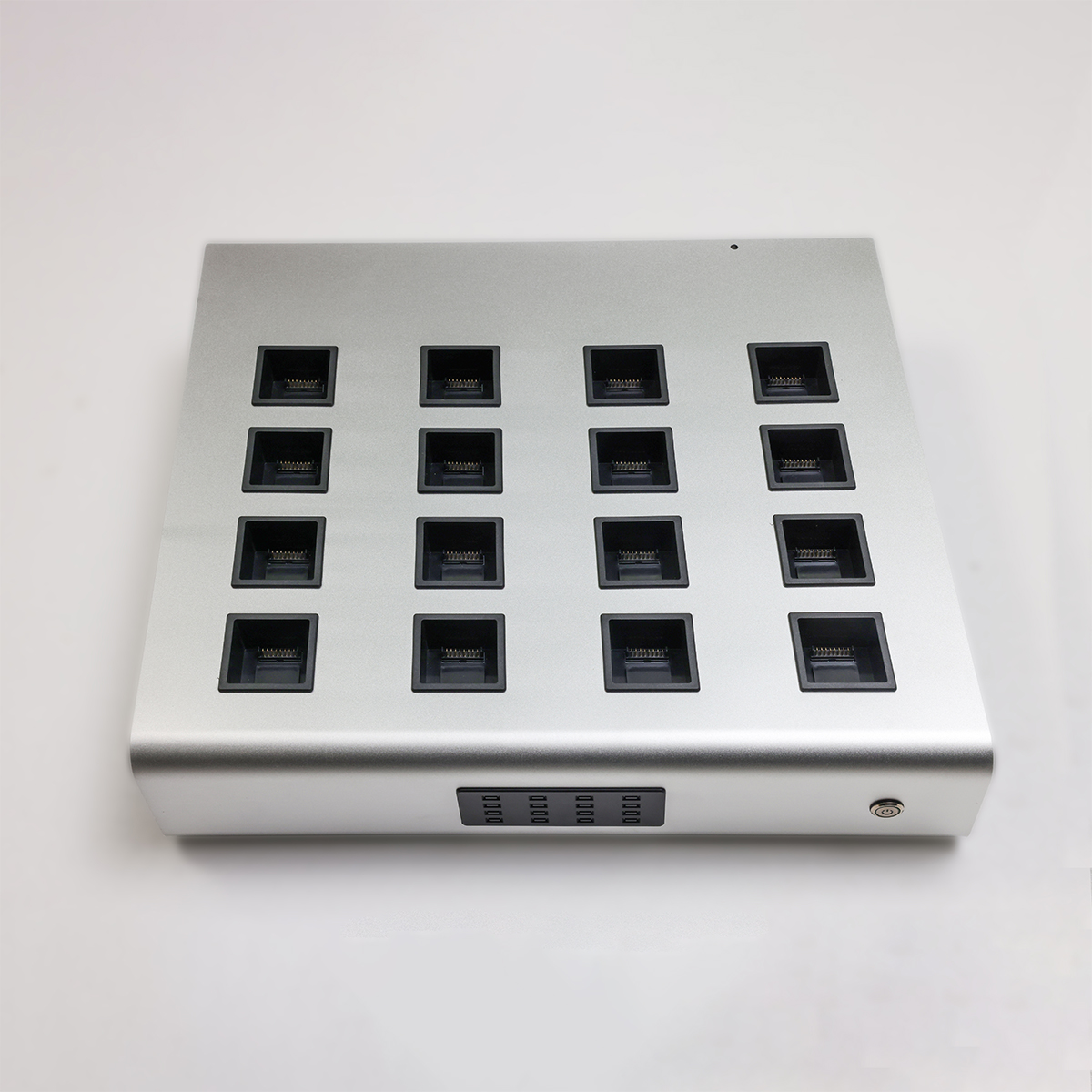
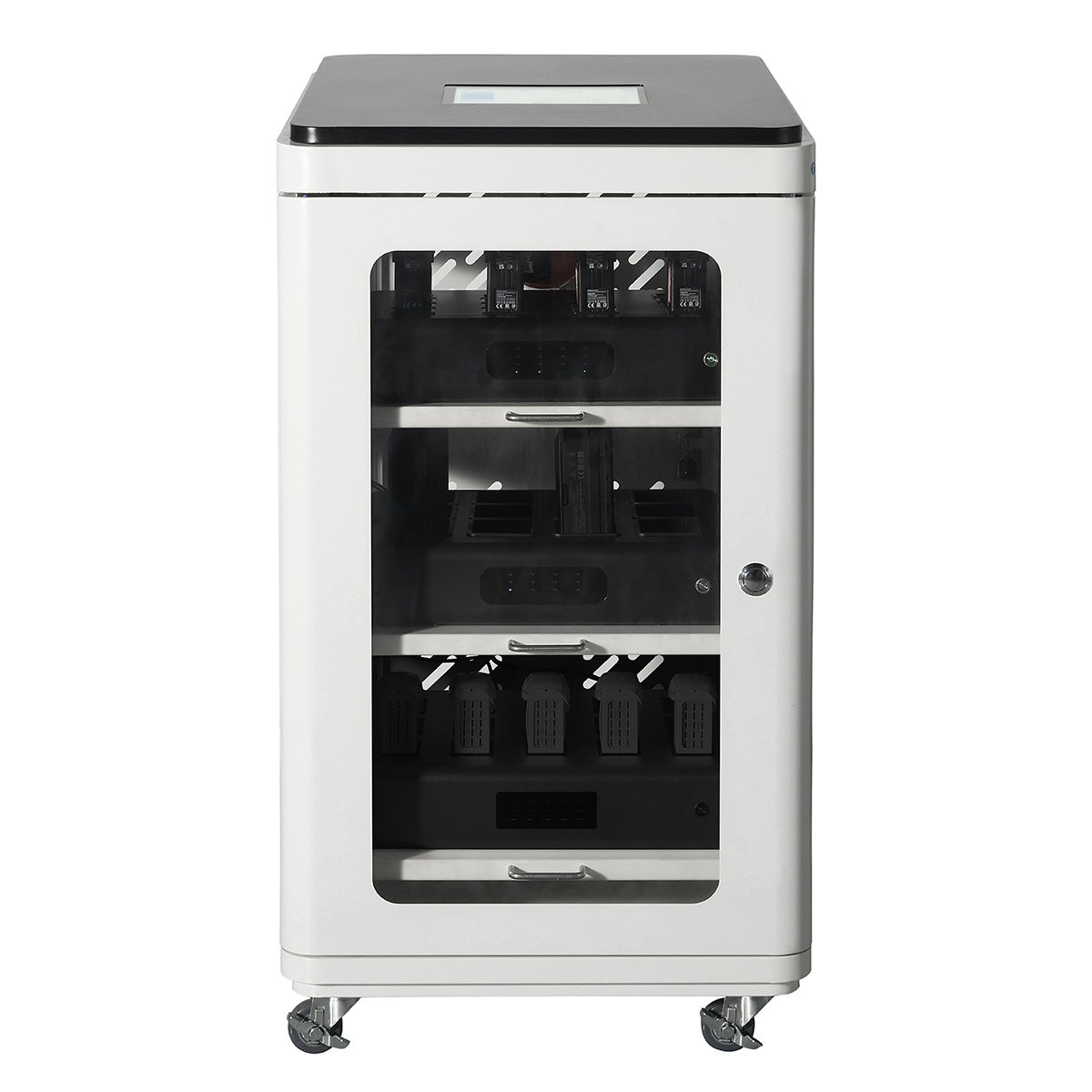

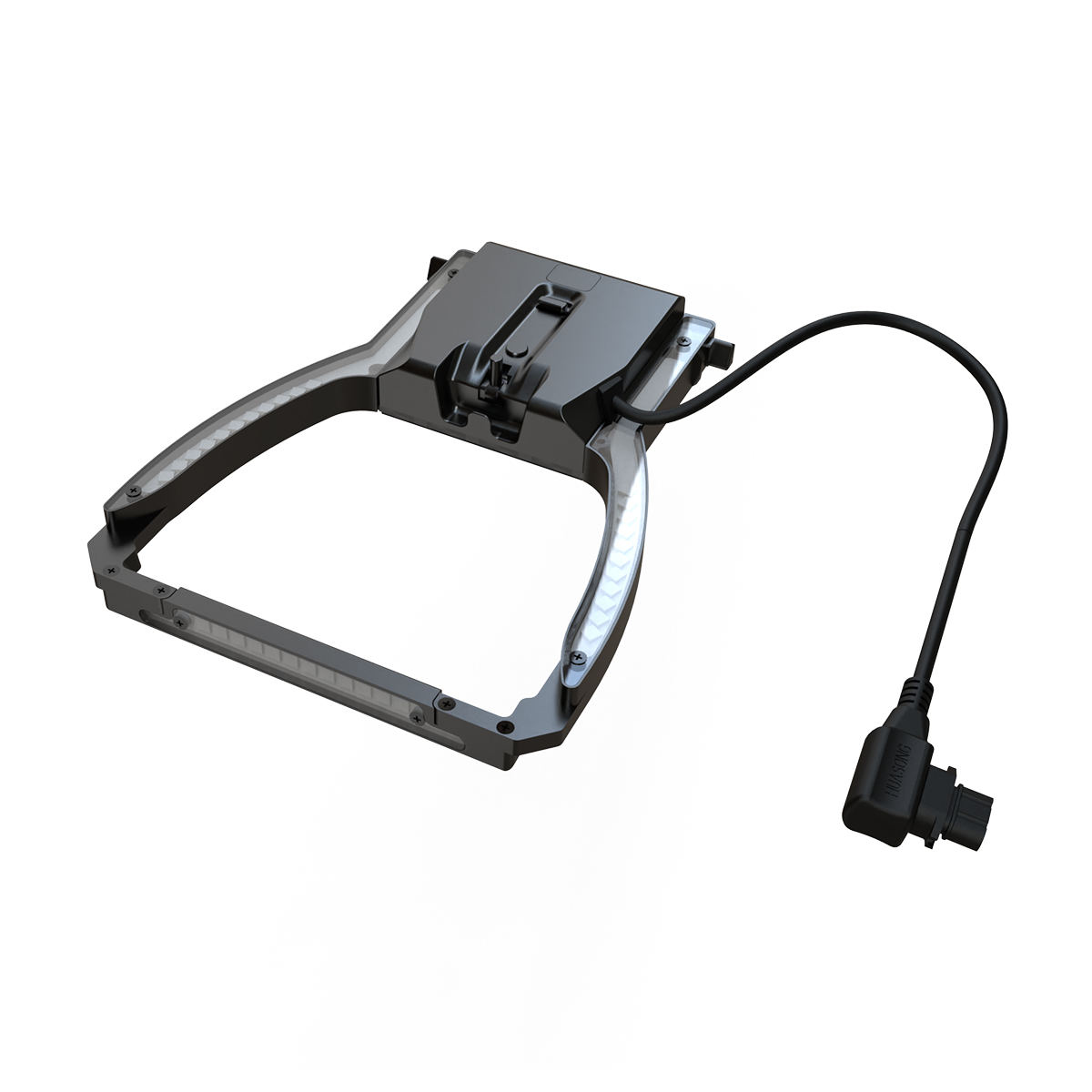
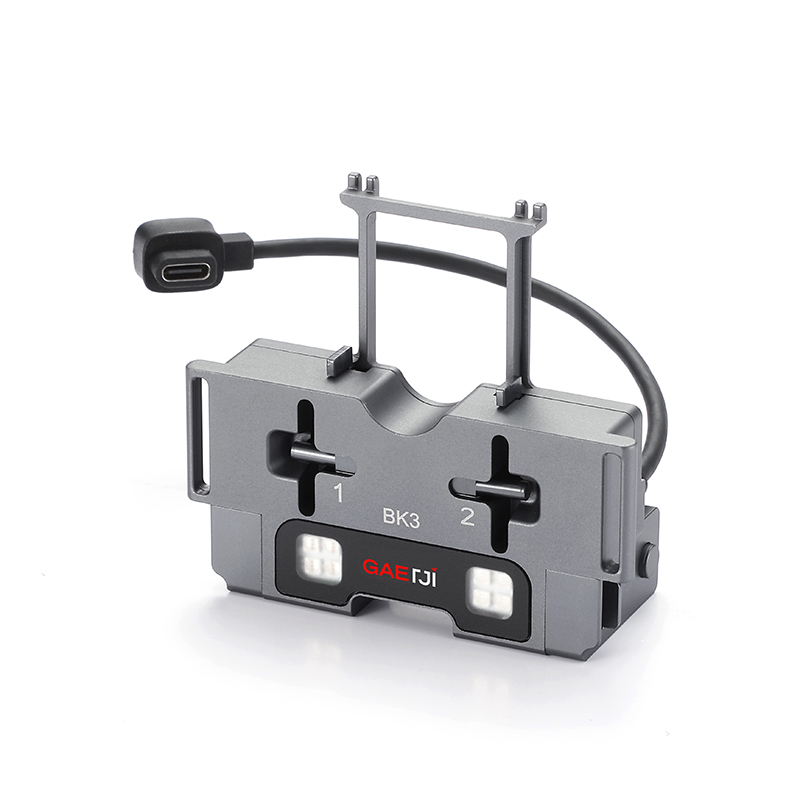
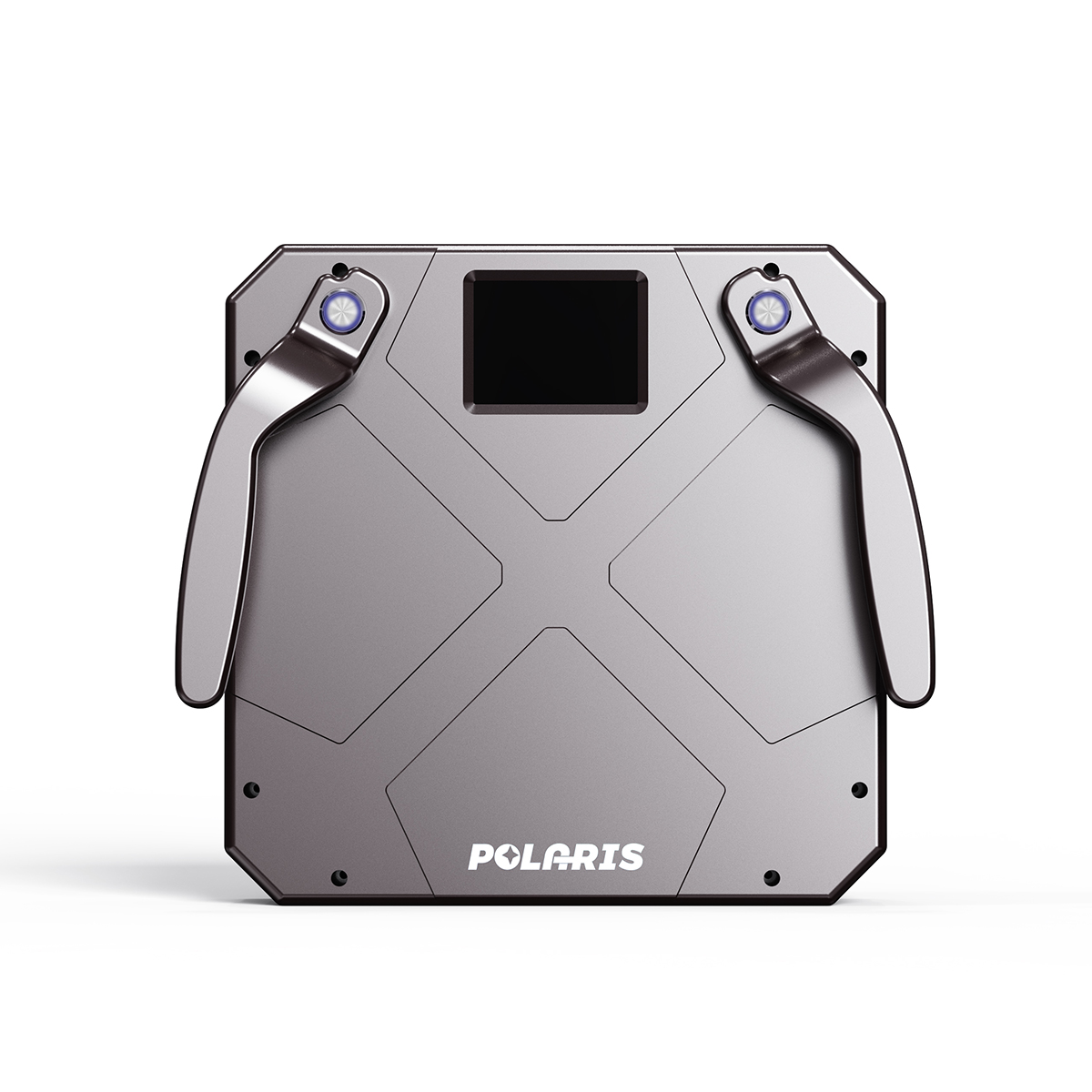
Drones Use In Agriculture Upsc Delivers Unmatched Quality Outperforms the Competition
The integration of drones in agriculture is revolutionizing farming practices, promising enhanced efficiency and superior quality outputs that outshine traditional methods. The utilization of advanced drone technology in crop monitoring, soil analysis, and precision spraying offers farmers unparalleled insights into their fields, allowing them to make data-driven decisions that lead to higher yields and reduced costs. With capabilities such as real-time data collection and analysis, these drones provide a comprehensive overview of crop health, enabling timely interventions that significantly improve overall productivity. Moreover, the competitive edge offered by agricultural drones lies in their ability to operate over vast areas in a fraction of the time it would take with conventional equipment. Equipped with cutting-edge sensors and imaging technologies, drones can identify problems such as pest infestations and nutrient deficiencies early on, leading to prompt and targeted treatment. Farmers leveraging this technology not only improve their crop management practices but also sustain environmental resources through optimized input usage. As global demand for agricultural efficiency rises, the adoption of drone technology proves to be an essential step for farmers aiming to thrive in an increasingly competitive market. Furthermore, the scalability of drone applications makes them suitable for farms of all sizes, ensuring that advancements in agricultural practices are accessible to a broader range of producers. As the agricultural landscape evolves, the continued investment in drone technology will undoubtedly lead to unprecedented quality enhancements and operational performance improvements. Embracing this innovation is not just a trend but a vital strategy for farmers looking to secure their place in the future of agriculture.
Drones Use In Agriculture UPSC Delivers Unmatched Quality Outperforms the Competition
| Parameter | Drones in Agriculture | Traditional Methods | Benefits |
|---|---|---|---|
| Crop Monitoring | Real-time data collection | Manual inspection | Higher accuracy and speed |
| Spray Efficiency | Targeted application | Broadcast spraying | Reduced chemical use |
| Data Analysis | Advanced analytics | Basic record keeping | Informed decision making |
| Cost | Mid to high initial investment | Lower initial investment | Long-term savings |
| Labor Requirements | Reduced manpower | High manpower | Increased efficiency |
Related Products
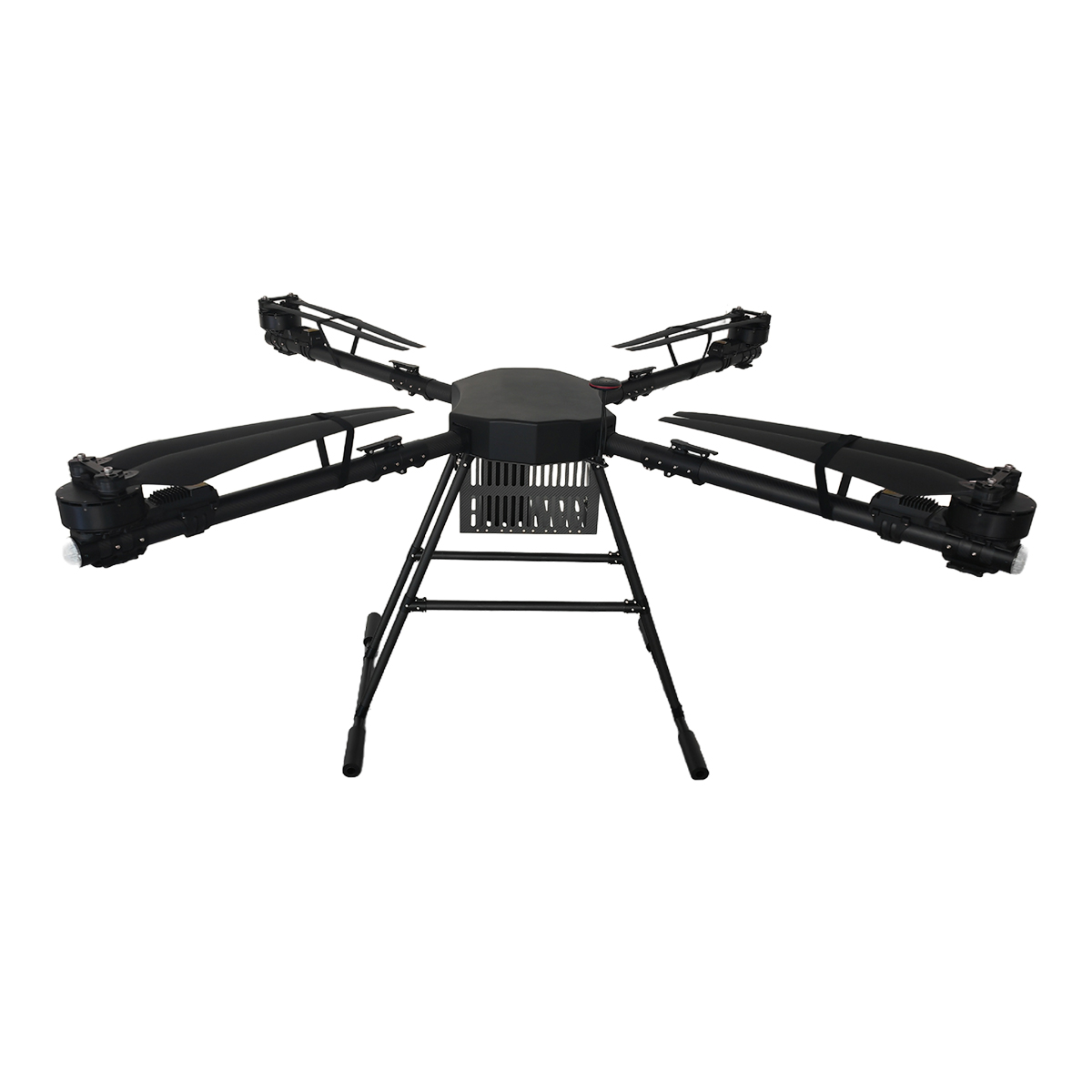
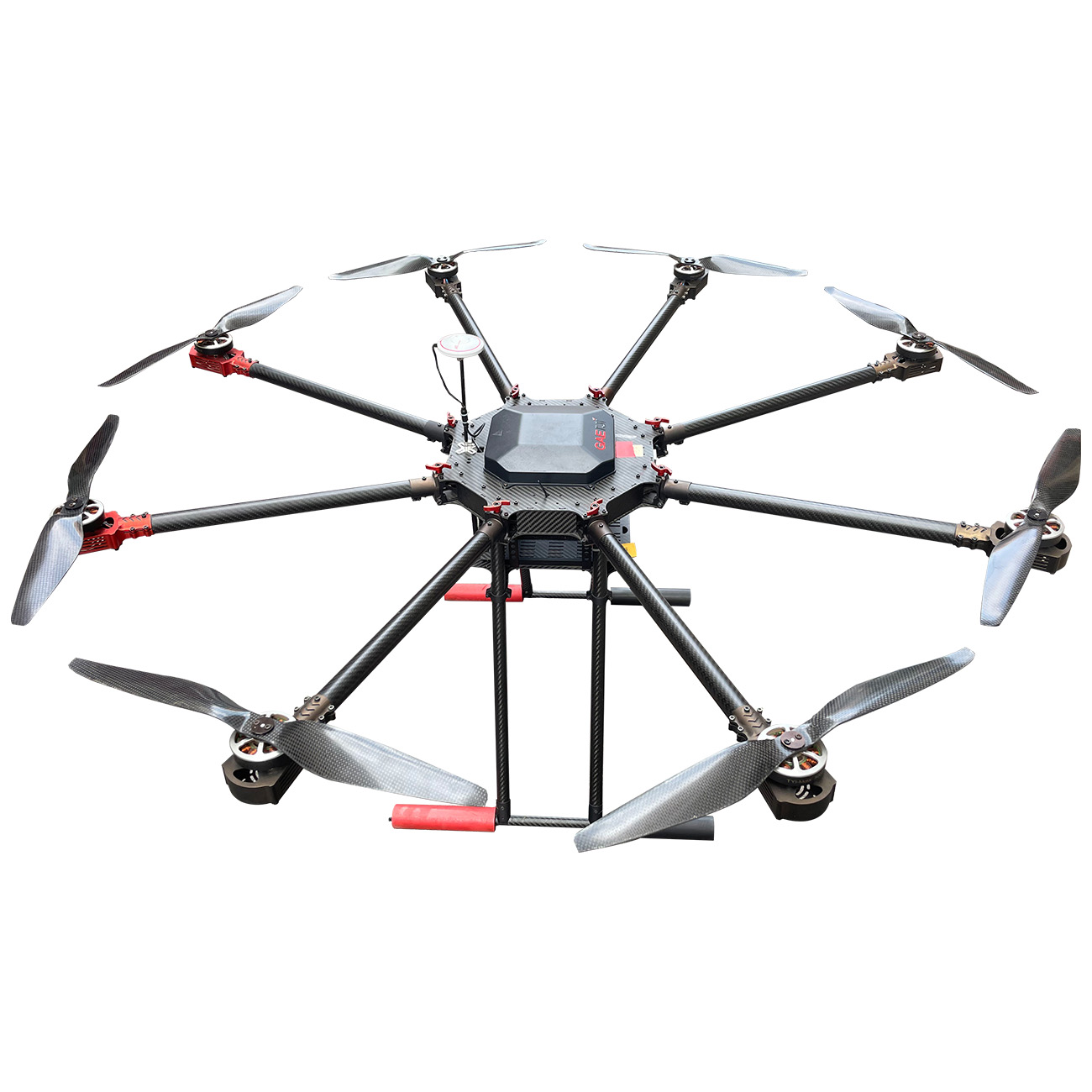
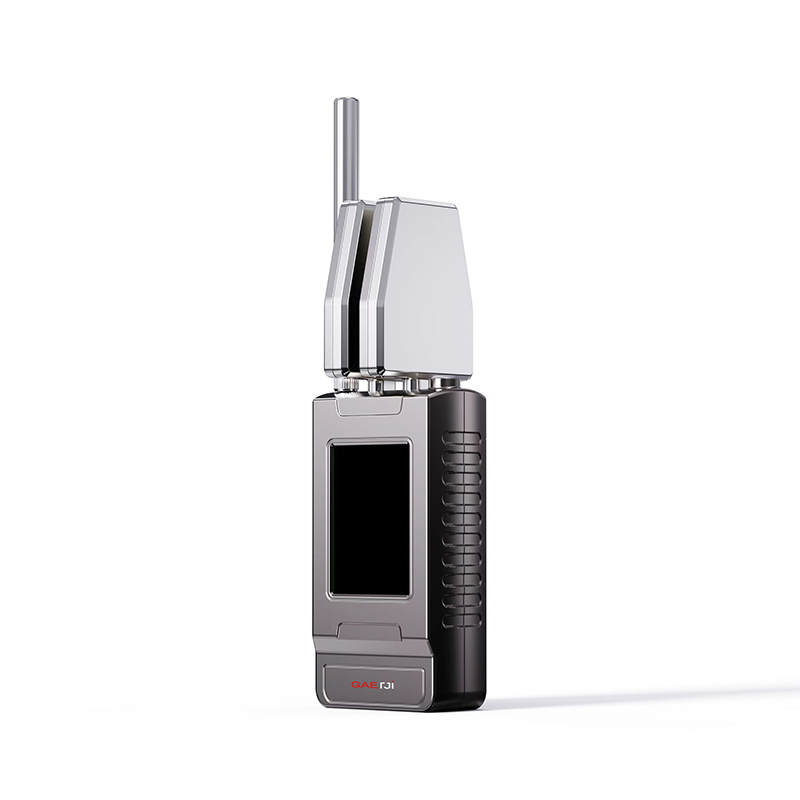

Drones Use In Agriculture Upsc Dominates in 2025
Top Selling Products
- Related Blog
- Reviews
