

CE Certified Lithium/Lead Acid Battery Charger for Drones - Trusted Supplier
As a sourcing expert, I know how crucial it is to have reliable battery chargers for drones, especially when it comes to Lithium and Lead Acid options. Our chargers are designed with efficiency and safety in mind, ensuring your drone operations run smoothly. With CE Certification, you can trust that our products meet high safety and quality standards, providing peace of mind for B2B partnerships. When I sourced these chargers, it was important to work with a supplier who prioritizes performance and reliability. Our chargers not only charge quickly but also extend the lifespan of your batteries, allowing for longer flight times. Whether you're using drones for photography, surveillance, or delivery, having a dependable charger can make all the difference. If you’re seeking a top-notch charger, I’m confident our Lithium and Lead Acid Battery Charger for Drones will exceed your expectations. Let’s connect and power up your drone operations today!
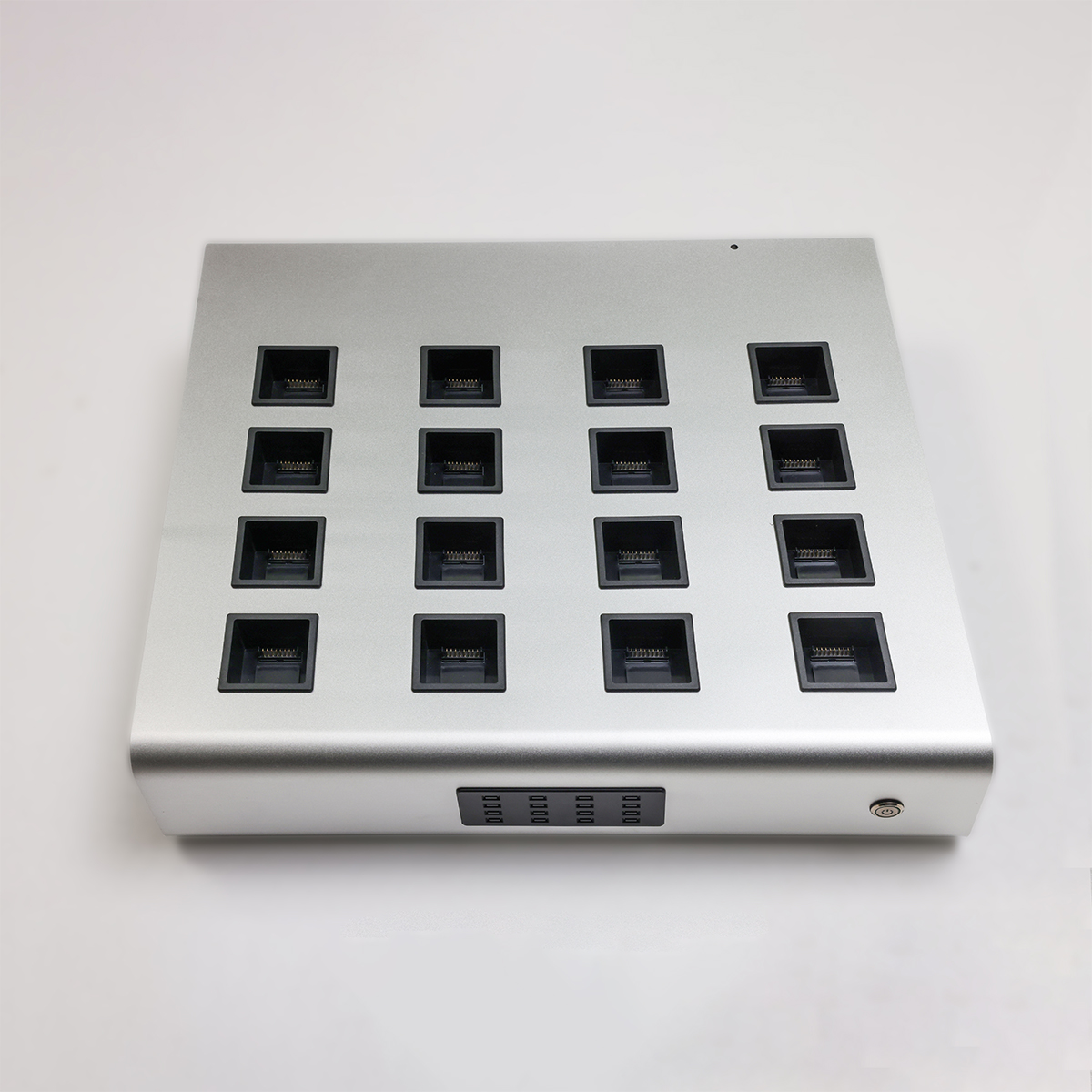
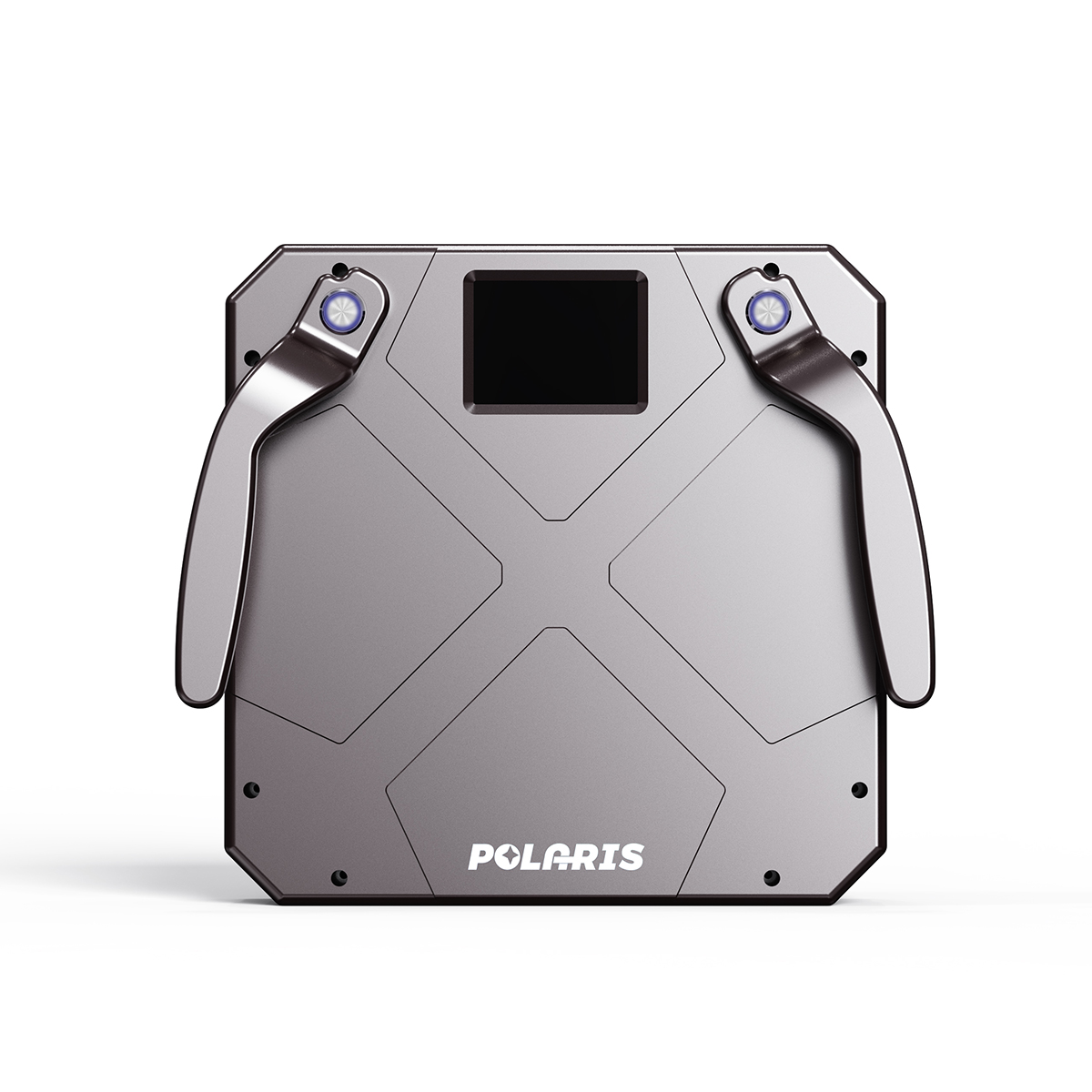
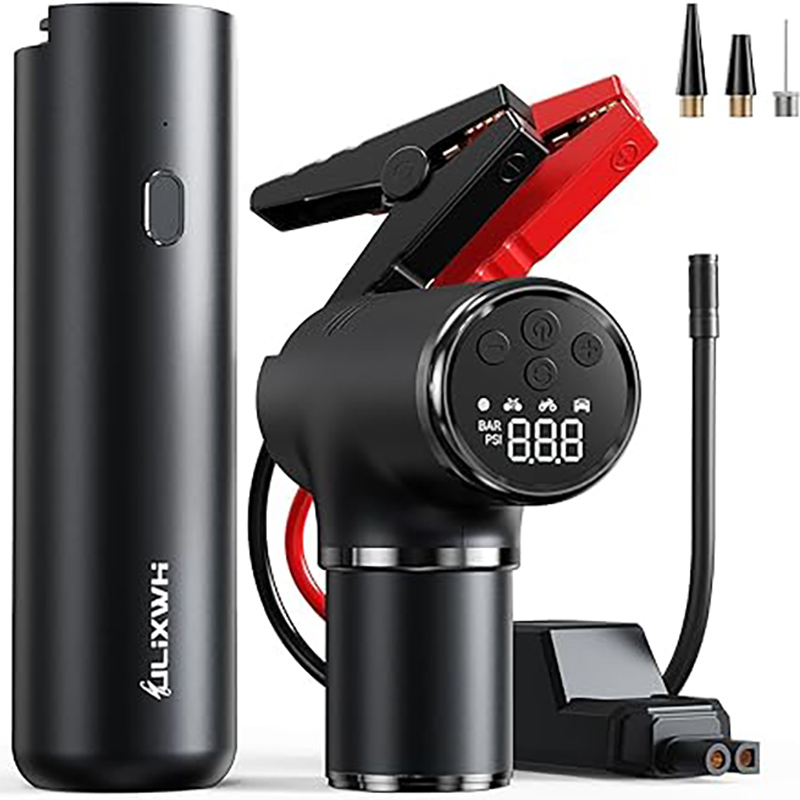
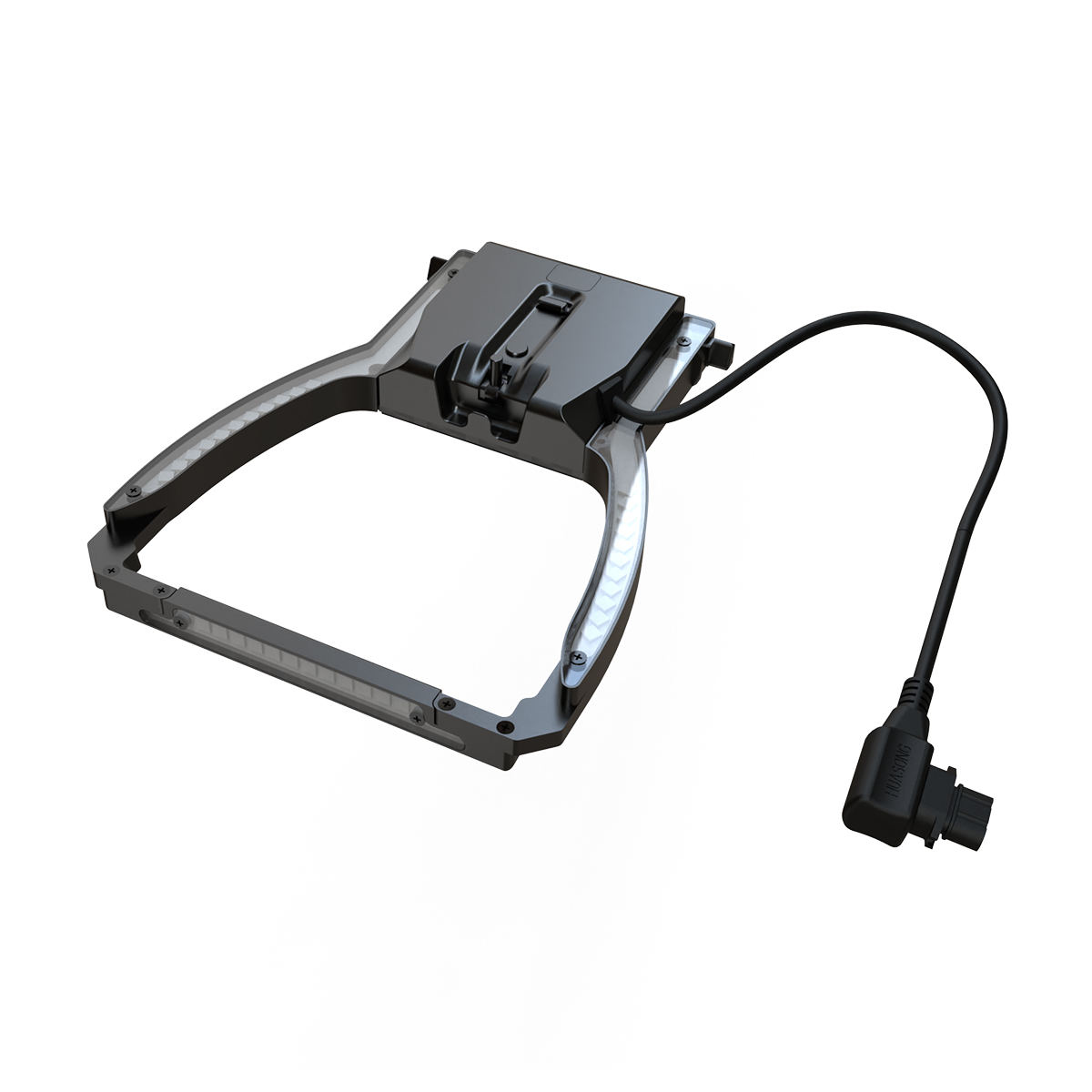
Lithium/Lead Acid Battery Charger For Drone/ Service Leads the Global Market
As the demand for drones continues to surge across various sectors, the need for reliable and efficient battery charging solutions has never been more critical. Lithium and lead-acid battery chargers have emerged as key players in the market, catering specifically to the unique power requirements of drones. These chargers are not only designed to be lightweight and portable but also integrate advanced technology to ensure rapid charging and enhanced battery longevity, allowing operators to maximize their flight time and operational efficiency. In the global market, service and support for these charging systems are paramount. Buyers are looking for suppliers who can not only provide high-quality products but also offer robust after-sales service and technical expertise. With an increasing number of applications ranging from agriculture to surveillance, the importance of tailored solutions that meet specific operational needs cannot be overstated. Companies that prioritize adaptation and innovation within the charging solutions space will undoubtedly lead the market, paving the way for a new era of drone efficiency. Moreover, as businesses scale their drone operations globally, they must be mindful of sustainability and the environmental impact of their energy consumption. Therefore, investing in advanced lithium battery technology, which offers higher energy density and longer lifecycle compared to traditional lead-acid batteries, represents a significant opportunity. Suppliers that focus on these sustainable practices will not only attract eco-conscious customers but will also position themselves as leaders in the rapidly evolving aviation equipment landscape.
Lithium/Lead Acid Battery Charger For Drone/ Service Leads the Global Market
| Charger Type | Battery Compatibility | Input Voltage (V) | Output Current (A) | Charging Time (hrs) | Weight (kg) | Cooling Method |
|---|---|---|---|---|---|---|
| Lithium Charger | Lithium-ion, Lithium Polymer | 220 | 5 | 1 | 1.2 | Air Cooling |
| Lead Acid Charger | Lead Acid | 110 | 10 | 4 | 1.5 | Fan Cooling |
| Smart Charger | Lithium-ion, Lead Acid | 220 | 8 | 2 | 1.0 | Passive Cooling |
Related Products
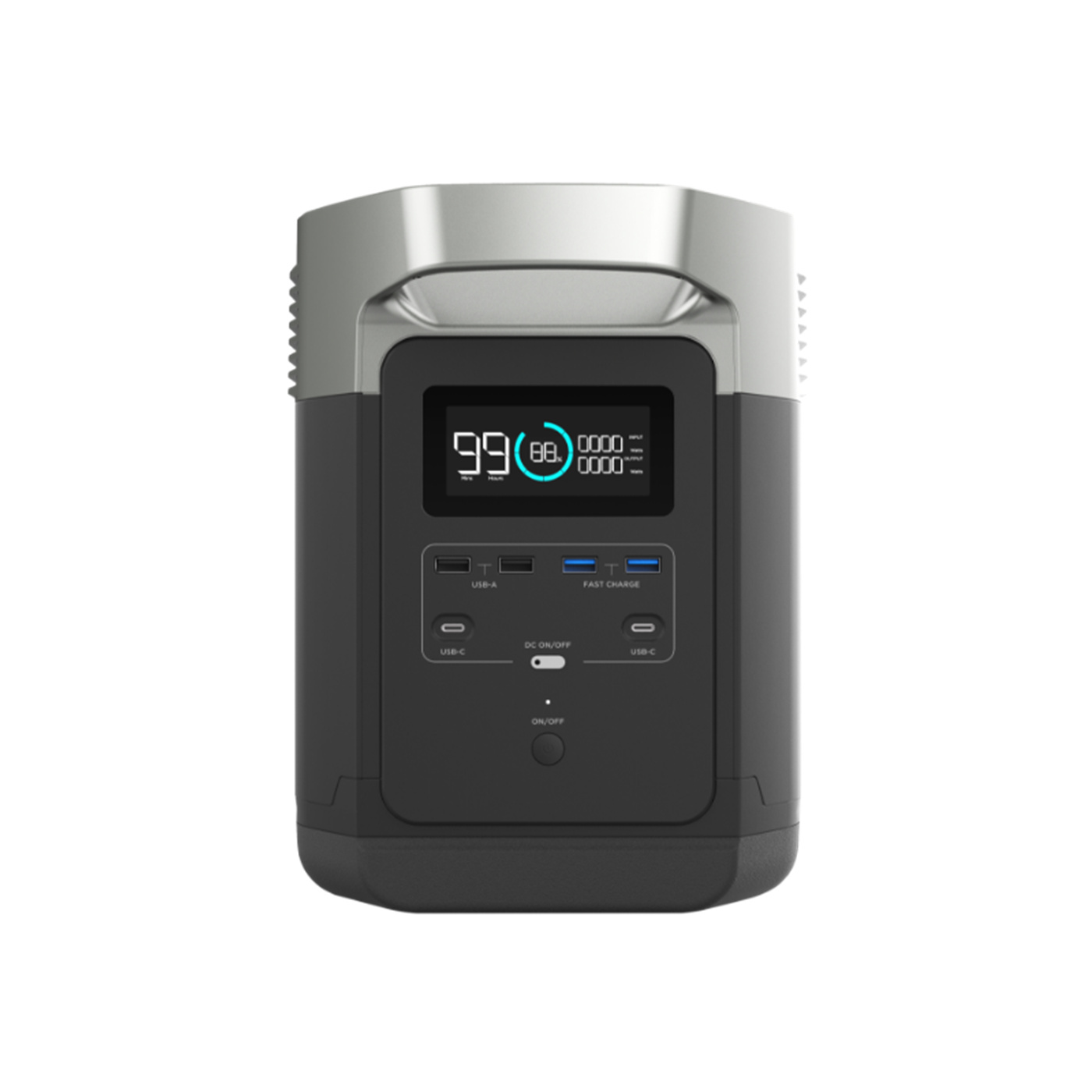
Lithium/Lead Acid Battery Charger For Drone/ Service Stands Out
Top Selling Products
- Related Blog
- Reviews
