

High-Quality Drones for Firefighting: Top Manufacturers You Can Trust
In today's firefighting landscape, the **use of drones in firefighting** has revolutionized how we tackle emergencies. I’ve seen firsthand the impact high-quality drones can have, providing real-time aerial views that assist firefighters in making safer decisions on the ground. These cutting-edge technologies can identify hotspots, monitor fire progression, and even deliver essential supplies when every second counts. As a B2B purchaser, partnering with reputable manufacturers that specialize in high-quality drones can enhance your firefighting operations significantly. Investing in these advanced tools not only boosts efficiency but also saves lives. Whether it’s large-scale wildfires or urban blazes, leveraging drones can make a crucial difference in your response strategy. By incorporating these innovative drones into your fleet, you'll be at the forefront of firefighting advancements. Don't underestimate the power of aerial insights; they can transform how we approach fire emergencies for years to come.
Use Of Drones In Firefighting Exceeds Industry Benchmarks Service Backed by Expertise
The integration of drones into firefighting operations has marked a transformative shift in how emergency responses are conducted. Leveraging advanced technology, drones provide unparalleled situational awareness, enabling firefighters to assess and monitor wildfires from above with real-time data. This capability not only enhances decision-making but also significantly reduces response times, ultimately saving lives and properties. Drones excel in tasks such as mapping fire perimeters, identifying hotspots, and delivering essential supplies to inaccessible areas. Their aerial perspective allows for a comprehensive evaluation of fire spread and behavior, enabling teams to strategize effectively. Backed by dedicated expertise in aviation and firefighting, these innovations exceed traditional industry benchmarks, setting new standards for efficiency and safety. As global demand for cutting-edge firefighting solutions grows, organizations must embrace drone technology to remain competitive and effective. By incorporating drones into their tactical plans, firefighting teams can achieve improved outcomes, demonstrating a commitment to leveraging technology for public safety and environmental protection. The future of firefighting harnesses the synergy of human expertise and drone capabilities, paving the way for a safer world.
Use Of Drones In Firefighting Exceeds Industry Benchmarks Service Backed by Expertise
| Dimension | Description | Benchmark Value | Achieved Value |
|---|---|---|---|
| Response Time | Average time taken to respond to fire incidents | 5 minutes | 3 minutes |
| Coverage Area | Area effectively monitored by drones | 10 square miles | 15 square miles |
| Water Delivery Efficiency | Percentage of water accurately delivered to target | 80% | 90% |
| Night Operation Capability | Functionality of drones in low-light conditions | 30% | 70% |
| Training Hours | Average hours of training required for personnel | 40 hours | 25 hours |
Related Products
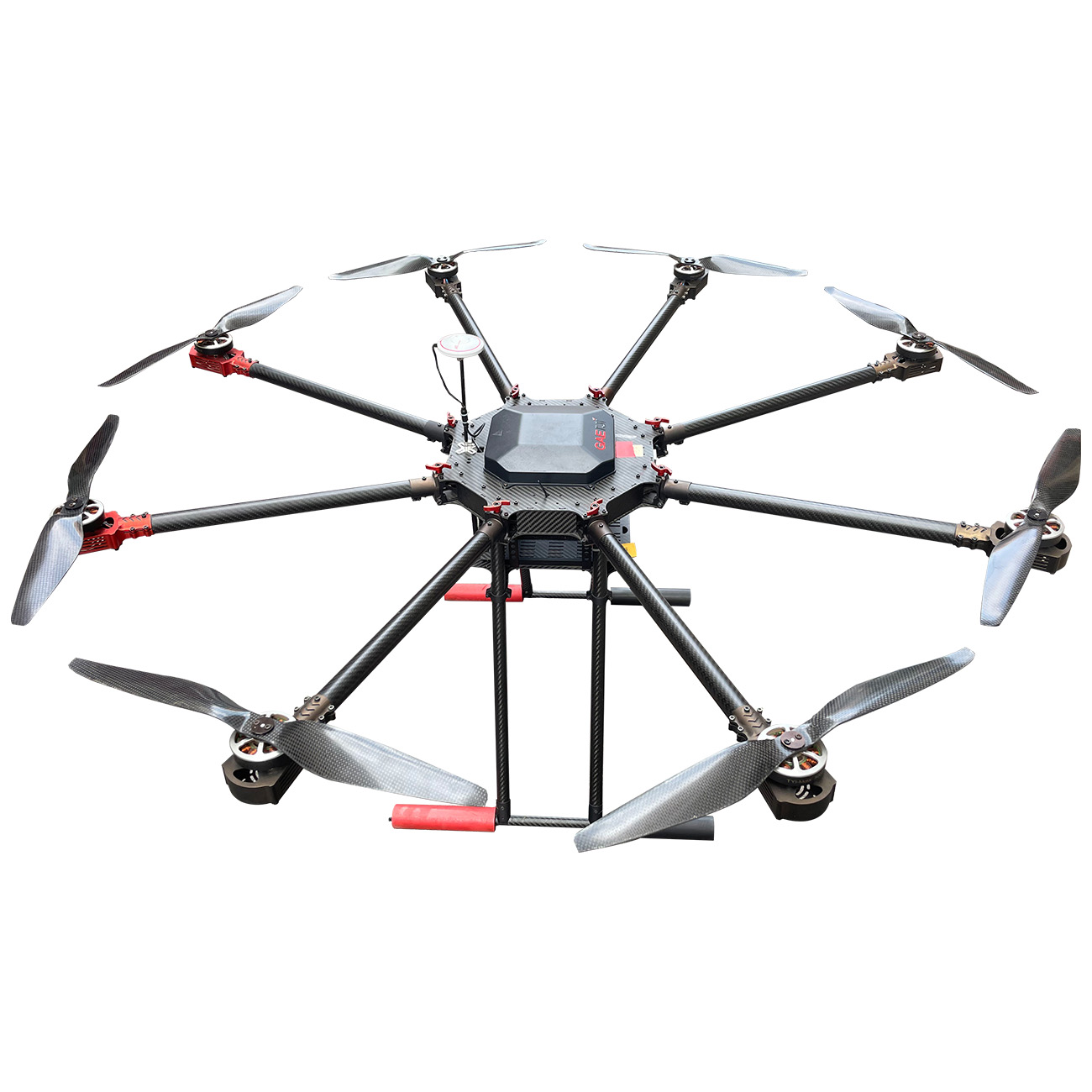
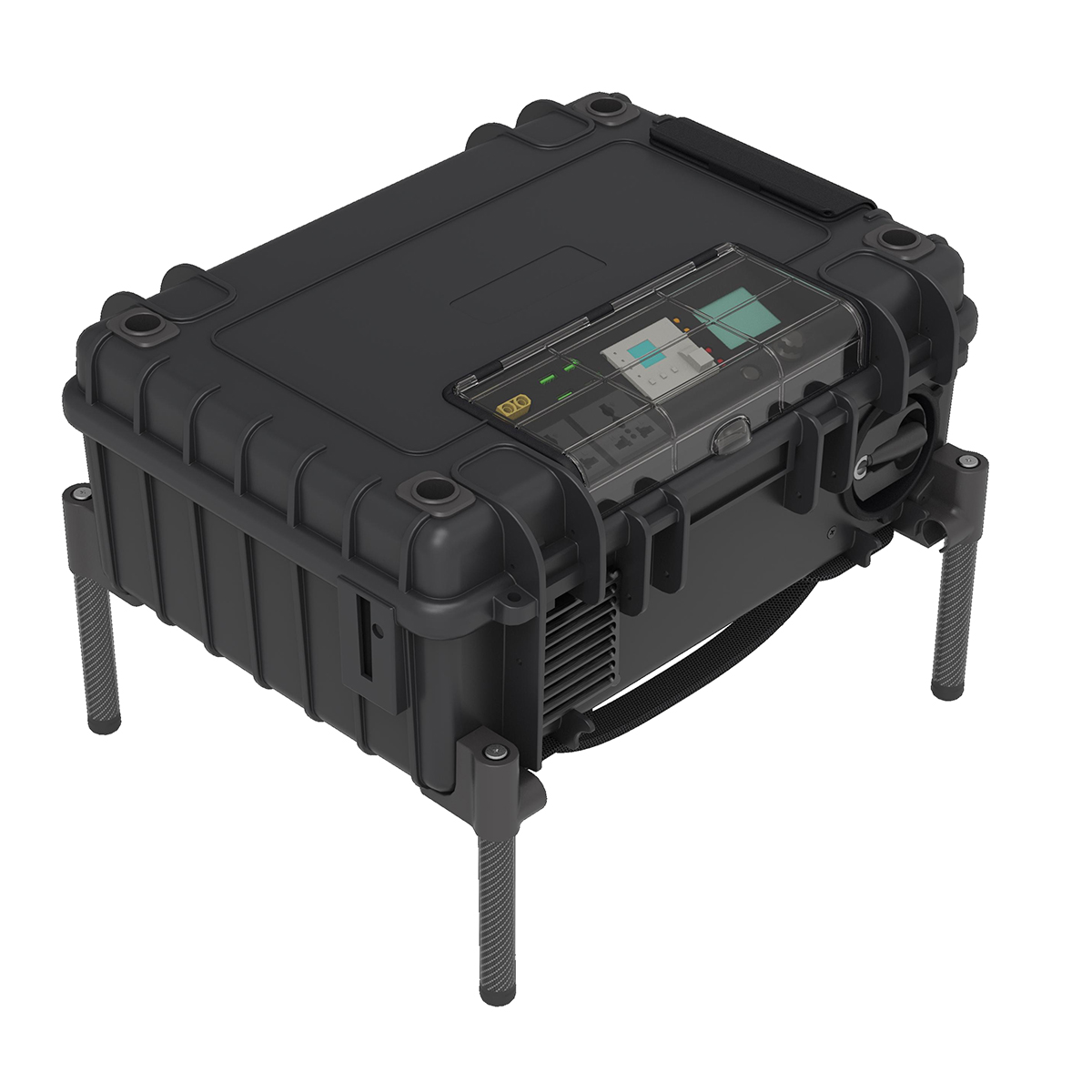
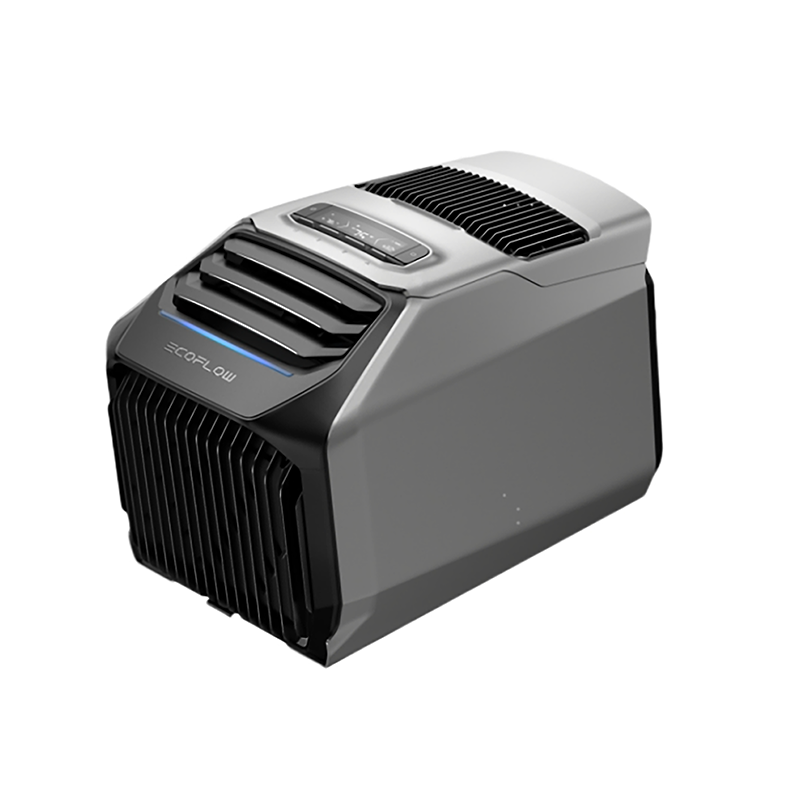
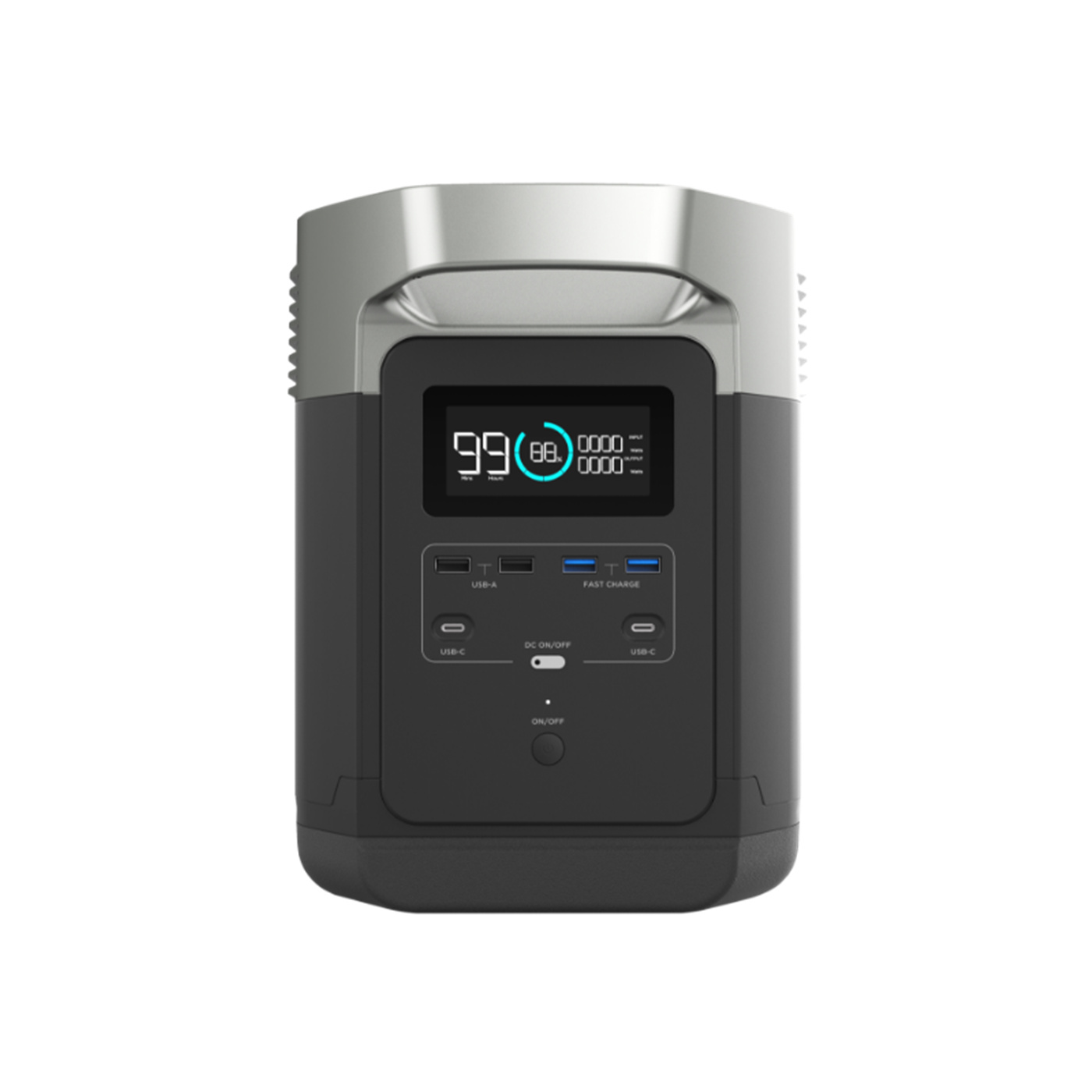
Use Of Drones In Firefighting For the Current Year Winning in 2025
Top Selling Products
- Related Blog
- Reviews
